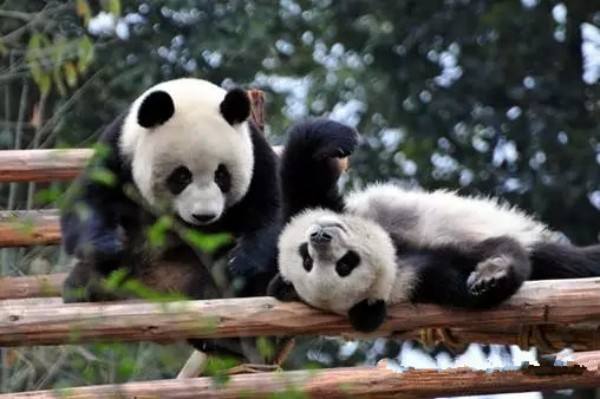
Chengdu, the capital of China's southwest Sichuan Province, is famed for being the home of cute giant pandas. Located in the west of Sichuan Basin and in the center of Chengdu Plain, the city covers a total area of 12.3 thousand square kilometres (4,749 square miles) with a population of over 11 million.
Benefiting from Dujiangyan Irrigation Project which was constructed in 256 B.C., Sichuan Province is reputed as the Heavenly State, Tian Fu Zhi Guo in Chinese, literally a place richly endowed with natural resources. Chengdu, as the capital, is extremely productive. The Min and Tuo Rivers, two branches of the Yangtze River, connected to 40 other rivers, supply an irrigation area of more than 700 square kilometres (270.27 square miles) with 150-180 million kilowatts of water. Consisting of abundant mineral resources, the land is extremely fertile.
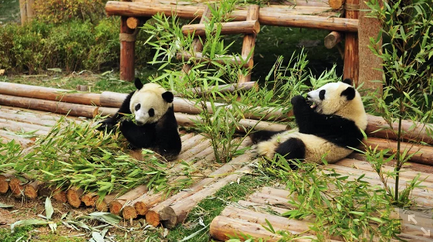
One of Chengdu's most popular attractions, this reserve, 18km north of the city centre, is the easiest way to glimpse Sichuan's famous residents outside of a zoo. The enclosures here are large and well maintained. Home to nearly 120 giant and 76 red pandas, the base focuses on getting these shy creatures to breed. March to May is the 'falling in love period' (wink wink). If you visit in autumn or winter, you may see tiny newborns in the nursery. Try to visit in the morning, when the pandas are most active. Feeding takes place around 9.30am, although you'll see them eating in the late afternoon, too. They spend most of their afternoons sleeping, particularly during the height of midsummer, when they sometimes disappear into their (air-conditioned) living quarters.
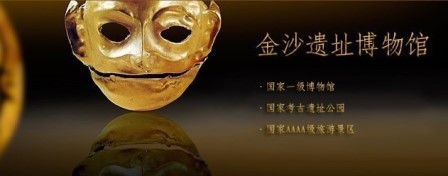
In 2001 archaeologists made a historic discovery in Chengdu's western suburbs: they unearthed a major site containing ruins of the 3000-year-old Shu kingdom. This excellent, expansive museum includes the excavation site and beautiful displays of many of the uncovered objects, which were created between 1200 and 600 BC.
Like the discoveries farther outside the city at Sanxingdui, the 6000 or so relics include both functional and decorative items, from pottery and tools to jade artefacts, stone carvings and ornate gold masks. A large number of elephant tusks were also unearthed here.
Take bus 901 from Xinnanmen bus station, or metro line 2 to Yinpintianxia.
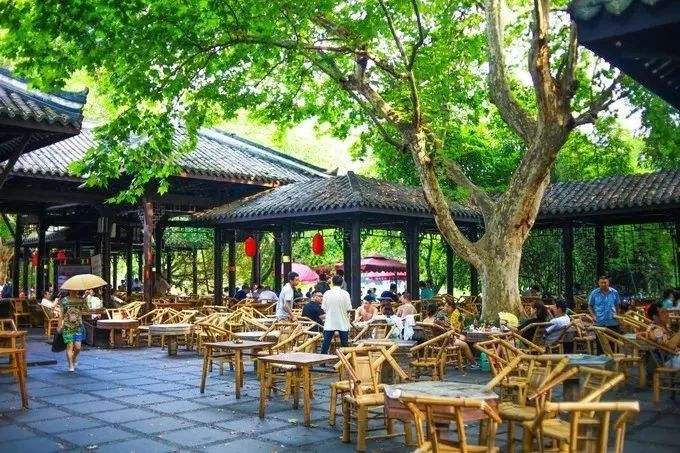
Drinking tea is as central to life in Chengdu as its pungent Sichuan peppercorns or the city's other favourite pastime, mah-jong. Many people carry flasks, pre-filled with tea leaves, ready for hot water wherever they go. Others head to the city's many teahouses. A single street might be populated with five or six different teahouses; the same again can be found on the next. It's a density that persists whether you're in the heart of the city or in the suburbs.
Tea's popularity in Chengdu is not just down to its location in one of the biggest tea producing regions in China, but also because of its historically advantageous position.